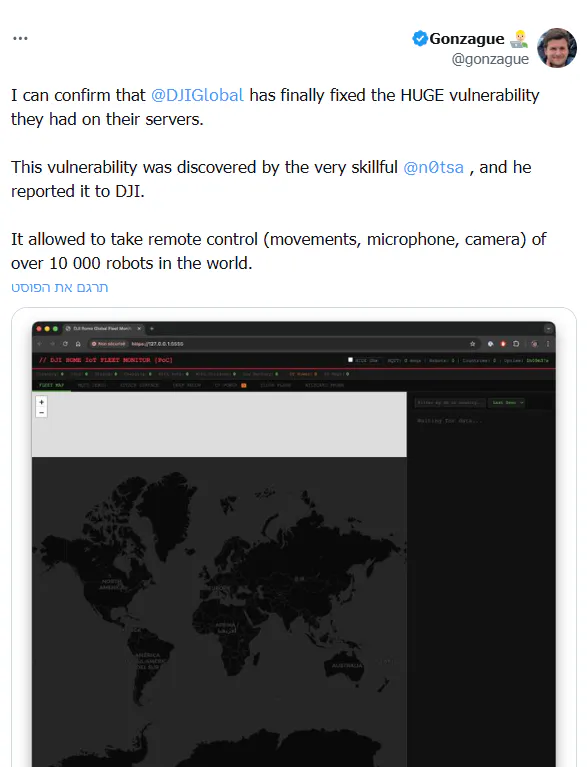
The Incident: A software engineer tried to connect a gaming controller to his robot vacuum (DJI Romo). By accident, he found a bug that allowed him to see through the cameras and hear through the microphones of 7,000 other robots in homes all over the world.
The Technical "How":
The "ID" Mistake: The system checked who the user was, but didn't check which robot he owned.
The API Leak: When the engineer’s app asked the server for information, the server gave him access to almost every robot on the network, not just his own.
Easy Hacking: He used an AI tool to help him read the code. This shows how easy it is today for anyone to find "holes" in a system using AI.
Human Error vs. Technical Failure:
Technical Failure: The API was too "trusting." It didn't verify if the person asking for the video actually had the right to see that specific house.
Human Error: The developers didn't test what happens if someone asks for data that doesn't belong to them. This is a basic security step that was skipped.
The "So What?": This is a huge privacy disaster. It’s not just about a robot; it’s about cameras and microphones inside our most private spaces. If a stranger can "watch" your home through an API, the trust is completely broken.
The Lesson: API Security is not just about passwords. It’s about logic. You must make sure that every request is checked: "Is this user allowed to see this specific device?"
Do you really know what your "smart" devices are sharing? Are you checking your APIs for these simple logic mistakes?
Stay safe and proactive